
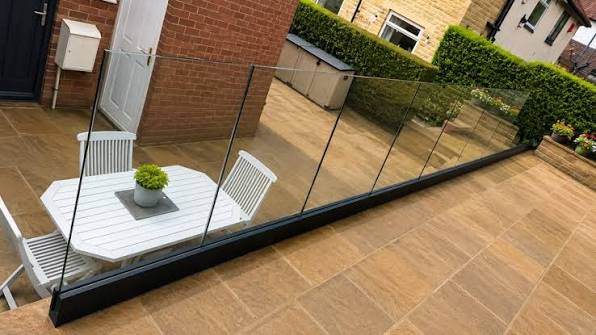
Composite balustrades continue to gain prominence in the construction and design industries, surpassing traditional options like glass or timber due to their numerous benefits across durability, aesthetics, safety, maintenance, sustainability, versatility, and cost-effectiveness. In this article, we will highlight the many advantages of the composite material when compared to timber and glass, so you can see how specifying composite could benefit your space. Let’s take a look.
Long life:
Durability remains a cornerstone advantage of composite balustrades. These materials are engineered to withstand the rigours of outdoor environments, including fluctuating temperatures, moisture exposure, and UV radiation. Unlike timber, which can warp, crack, or decay over time, composite balustrades are inherently resistant to these issues. Glass, similarly, can crack and shatter. In contrast, the combination of recycled wood fibres and plastic polymers creates a robust composite that maintains structural integrity and appearance over many years. This durability is particularly beneficial for properties located in coastal or humid climates where exposure to saltwater or high humidity levels can accelerate deterioration in traditional materials.
Visual appeal:
Aesthetics play a pivotal role in the appeal of composite balustrades. Manufacturers offer a wide range of colours, textures, and finishes, allowing for versatile design options that can complement any architectural style or landscaping theme. Whether homeowners prefer the natural look of wood grain or the sleek appearance of contemporary designs, composite materials can replicate this aesthetic without the maintenance demands of natural timber. The ability to customise composite balustrades enhances their versatility, making them suitable for both residential renovations and large-scale commercial projects seeking a cohesive design language.
Safety and security:
Safety is a paramount consideration when selecting balustrade materials, especially for elevated areas such as balconies, terraces, and staircases. Composite balustrades are designed with safety features that meet or exceed regulatory standards. Their solid construction and dependable grip provide a secure barrier, offering peace of mind to property owners and occupants alike. Unlike glass balustrades, which may require periodic cleaning to maintain visibility and safety, composite materials offer consistent performance without the risk of breakage or structural compromise over time. This reliability makes composite balustrades a preferred choice in applications where safety is a primary concern.
Easy to look after:
Low maintenance is a compelling advantage of composite balustrades compared to timber or glass alternatives. Timber balustrades typically require regular staining, painting, or sealing to preserve their appearance and protect against weathering. In contrast, composite materials are resistant to fading, staining, and mould growth, requiring minimal upkeep. Glass balustrades may need more specialist cleaners, to keep them looking their best. Routine cleaning with soap and water is usually sufficient to maintain the cleanliness and aesthetic appeal of composite balustrades, significantly reducing maintenance costs and labour over their lifespan. This ease of maintenance is particularly advantageous for property owners seeking durable, low-maintenance solutions that enhance property value and curb appeal.
Eco credentials:
Environmental sustainability is increasingly prioritised in construction practices, and composite balustrades offer notable eco-friendly benefits. Many composite materials utilise recycled content, such as reclaimed wood fibres and post-consumer plastics, reducing the demand for virgin materials and diverting waste from landfills. Additionally, the manufacturing process for composite materials typically generates fewer greenhouse gas emissions compared to traditional timber production. By choosing composite balustrades, property owners can support sustainable building practices while achieving high-performance, long-lasting solutions for their outdoor spaces.
Resistance to Weathering:
Composite balustrades exhibit exceptional resistance to weathering, making them well-suited for outdoor applications where exposure to sunlight, rain, snow, and fluctuating temperatures is common. Unlike timber, which can warp, crack, or fade over time when exposed to the elements, composite materials are engineered to withstand UV radiation and moisture without deteriorating. This durability ensures that composite balustrades maintain their structural integrity and aesthetic appeal over many years with minimal maintenance. They do not require painting, staining, or sealing to protect against weathering, reducing ongoing maintenance costs and labour compared to timber balustrades. Additionally, composite materials are less prone to swelling, splintering, or rotting, making them a reliable choice for outdoor spaces requiring long-term performance and visual appeal.
Resistance to corrosion:
Composite balustrades are inherently resistant to corrosion, making them particularly suitable for environments with high moisture levels or salt exposure, such as coastal areas. Unlike metal balustrades, which can corrode over time and require regular maintenance to prevent rusting, composite materials do not suffer from rust or corrosion issues. This durability in corrosive environments ensures that composite balustrades maintain their structural integrity and aesthetic appeal with minimal upkeep, providing long-lasting performance and reducing lifecycle costs compared to metal alternatives.
Customisation:
Versatility is another key advantage of composite balustrades. These materials can be customised to fit various architectural designs and applications, accommodating straight runs, curved configurations, and complex shapes with ease. Composite balustrades are lightweight and flexible during installation, allowing for creative design solutions that enhance the aesthetic appeal and functionality of outdoor spaces. You can build composite balustrades onto straight surfaces, onto stairs, and onto both hard and soft ground applications. Whether used in residential renovations or commercial developments, composite materials offer versatility in design while maintaining the strength and durability necessary for safety and longevity.
Price:
Cost-effectiveness is a significant consideration for property owners evaluating balustrade options. While the initial cost of composite materials may be higher than timber, the long-term savings are substantial. Composite balustrades require minimal maintenance and do not incur the ongoing expenses associated with treatments, repairs, or replacements common with timber or glass alternatives. This cost-effectiveness translates into a higher return on investment over time, making composite balustrades a prudent choice for budget-conscious projects seeking durable, low-maintenance solutions.
In public-facing gardens, hospitality terraces, and shared outdoor spaces, balustrades also work best when supported by clear, practical details. Traditional signage can guide visitors without disrupting the look of the space, digital signage can communicate changing information clearly, and reliable hand dryers can improve the experience in nearby washroom facilities.
For raised terraces and garden seating areas, composite decking can also pair naturally with composite balustrades, creating a coordinated outdoor structure that is durable, safe, and easy to maintain.
In conclusion, composite balustrades exemplify the evolution of building materials towards high-performance solutions that balance durability, aesthetics, safety, maintenance ease, sustainability, versatility, and cost-effectiveness. As technological advancements continue to enhance composite formulations and manufacturing processes, these materials are poised to remain at the forefront of modern construction and design. Whether enhancing residential properties or large-scale commercial developments, composite balustrades offer a durable and aesthetically pleasing solution that meets the diverse needs of today’s building environments.